
What Causes Seawall Cracks, Leaning, or Settlement? A Clear Homeowner’s Guide
- April 1, 2026
Introduction
- The most common causes of seawall cracking, leaning, and settlement
- What’s considered normal aging vs. a sign of concern
- How drainage, soil loss, and anchors affect seawall stability
- When repairs make sense—and when monitoring is enough
What This Topic Means for Florida Property Owners
- Is this dangerous?
- Will this get worse?
- Do I need to replace the seawall?
- Long-term maintenance planning
- Liability and safety
- Budget forecasting
Why Seawall Cracks, Leaning & Settlement Matter (Expert Insight)
- Over 60% of seawall movement starts behind the wall, not on the visible face
- Soil loss and trapped water pressure are the leading contributors
- Most issues develop slowly over years—not overnight
Step-by-Step: The Real Causes of Seawall Cracks, Leaning & Settlement
1. Soil Loss Behind the Seawall (The #1 Cause)
Florida’s sandy soils are easily displaced by moving water. When water flows through or behind a seawall, it can carry soil particles with it.
Over time, this creates:
- Voids behind the wall
- Settlement of patios, caps, or landscaping
- Reduced support for the wall itself
Common signs:
- Sinkholes or depressions near the seawall
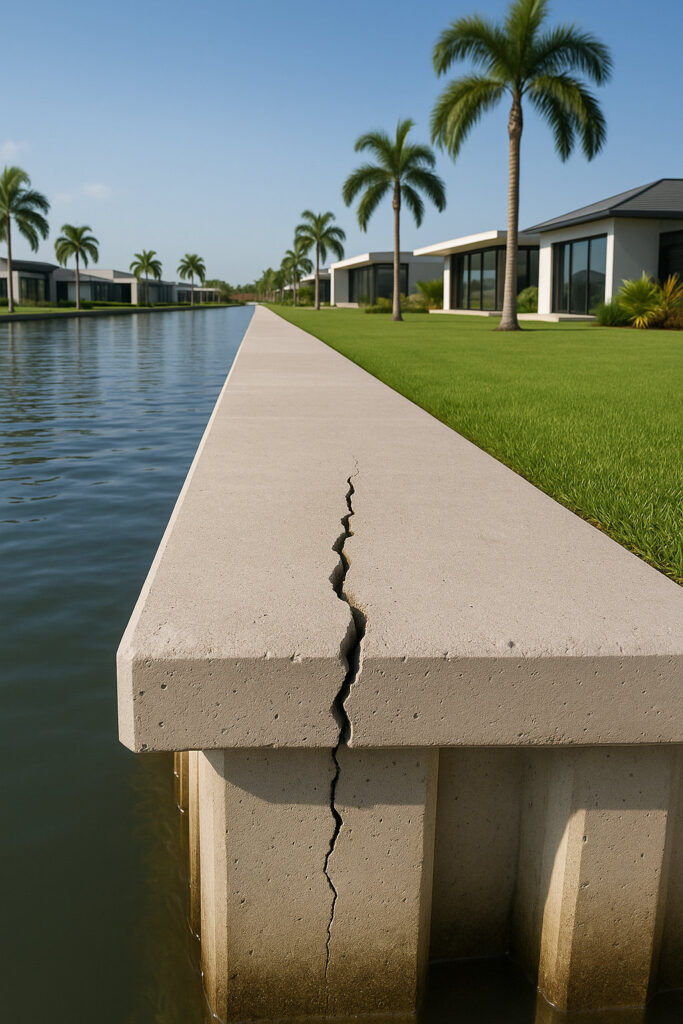
- Cracks forming near seams or joints
- Uneven ground behind the wall
How it’s addressed:
- Seawall drain installation
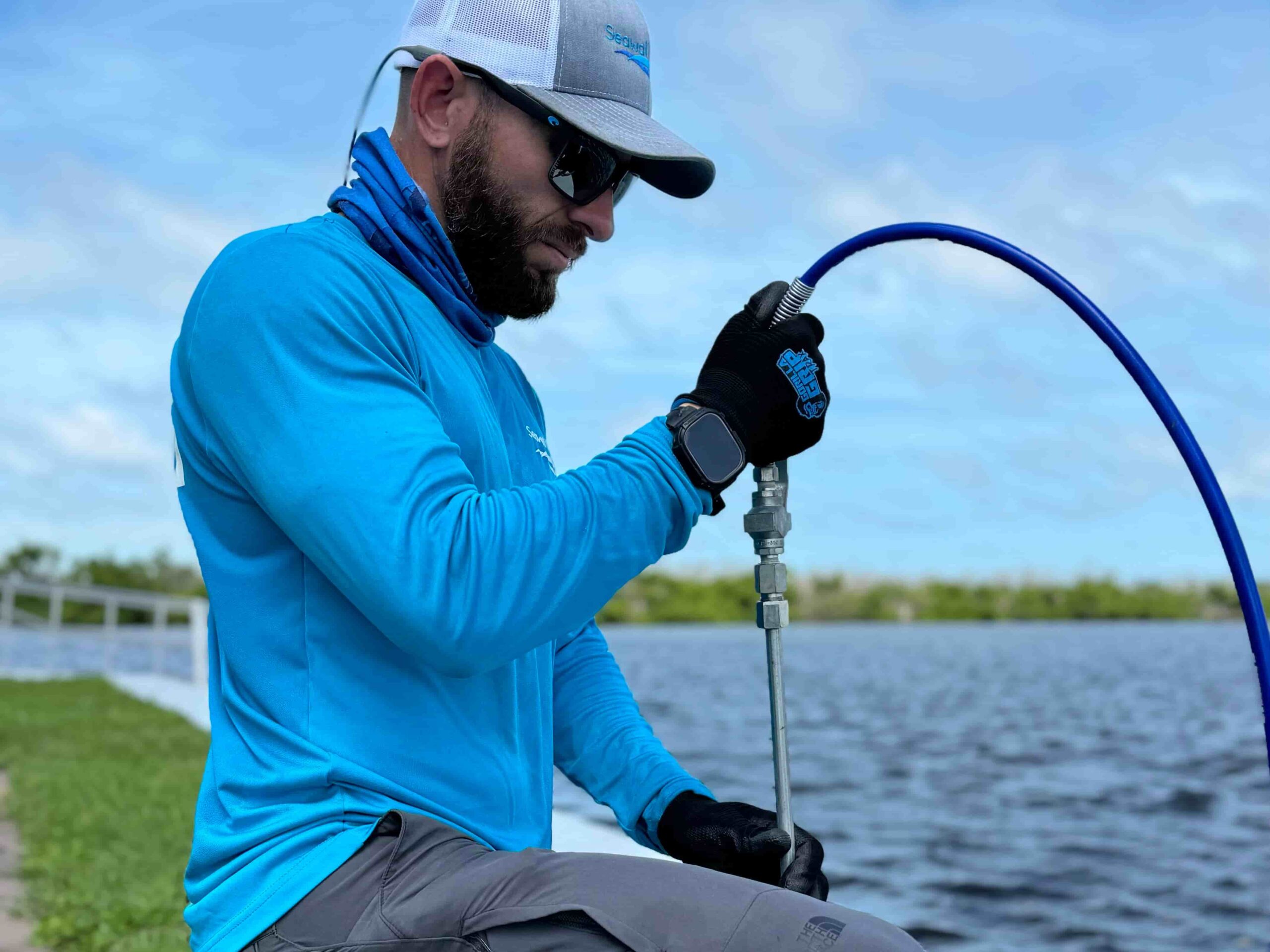
- Foam injection to fill voids and recompact soil
2. Hydrostatic Pressure (Water with Nowhere to Go)
- Horizontal cracking
- Wall bowing or leaning toward the water
- Joint separation between panels
3. Aging or Failed Seawall Seams
Seams are natural connection points between wall sections. Over time:
- Sealants degrade
- Joints widen
- Water and soil escape
Once seams fail, soil loss accelerates.
This is why seam repair is often one of the most effective early interventions.
4. Inadequate or Aging Anchoring Systems
Older seawalls often rely on:
- Deadman anchors
- Timber tie-backs
- Outdated anchoring designs
As these systems age, they can:
- Stretch or loosen
- Lose holding strength
- Allow gradual forward movement
Modern helical tie-back anchors transfer load to deeper, stable soil layers and are commonly used to stabilize leaning walls.
5. Settlement from Normal Aging
Not all movement is a defect. Over decades:
- Backfill naturally consolidates
- Minor settlement occurs
- Small cracks may appear
This is similar to a home settling over time. The key difference is rate and progression.
6. External Forces (Boats, Storms & Water Levels)
Repeated exposure to:
- Boat wake energy
- Changing water levels
- Seasonal storm surge
can accelerate existing weaknesses but rarely cause sudden failure on their own.
What’s Normal vs. What Needs Attention?
Often Normal
- Hairline surface cracks
- Minor cosmetic spalling
- Small, stable settlement over many years
Worth Evaluating
- Cracks that widen over time
- Noticeable lean or forward movement
- Repeated soil loss behind the wall
- Gaps forming at seams
Common Myths About Seawall Cracking & Movement
Myth #1: “Any crack means the seawall is failing”
Most cracks are repairable and manageable when addressed early.
Myth #2: “Leaning means replacement is required”
Many leaning seawalls are stabilized successfully with anchors and soil repair.
Myth #3: “Nothing can be done once settlement starts”
Foam injection and drainage systems are designed specifically for this issue.
Pro Tips & Tools Used by Seawall Professionals
- Engineering-based inspections, not just visual checks
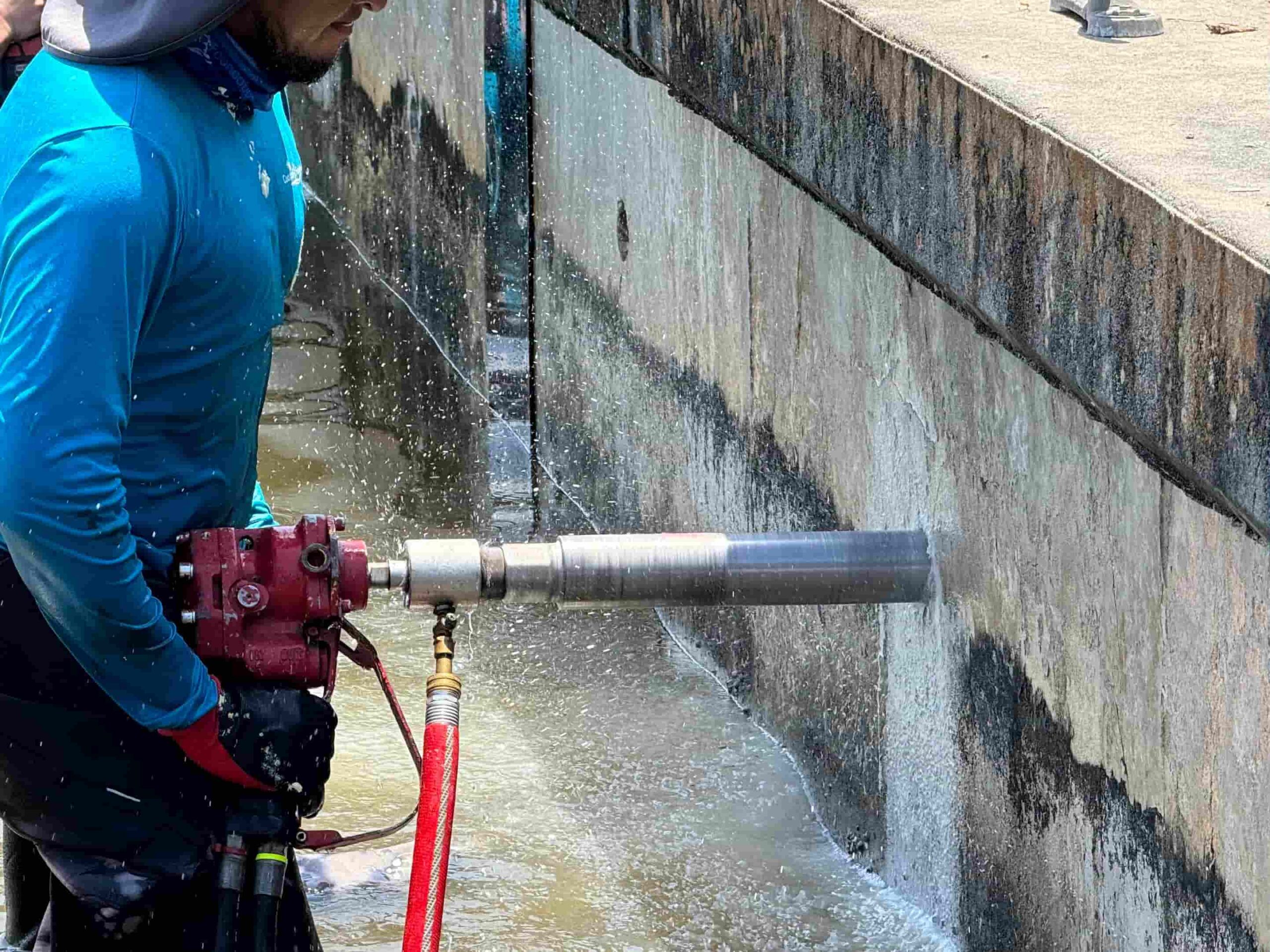
- Soil probing and void detection
- Drainage evaluations
- Load path analysis for anchoring systems
- Monitoring movement over time before major decisions
FAQs: Seawall Cracks, Leaning & Settlement
Most are not immediately dangerous, but they should be evaluated to understand the cause.
In many cases, yes—using tie-back anchors and soil stabilization.
Soil loss due to water movement through failed seams or lack of drainage.
Usually slowly over years, not suddenly—unless left completely unaddressed.
Yes. Early inspections often prevent larger, more expensive repairs later.
Final Takeaways: What to Expect from Your Seawall
- Most seawall cracks, leaning, and settlement start behind the wall, not on the face
- Soil loss and water pressure are the leading causes
- Many issues are manageable and repairable when caught early
- Inspections provide clarity—not pressure
👉 Schedule a professional seawall inspection with Seawall Savers to assess movement, identify causes, and explore practical next steps.
Related Posts
- All Posts
Recent Posts
-
Concrete vs. Vinyl vs. Steel Seawalls: Pros, Cons & Longevity
-
How Long Do Seawalls Last in Florida? A Complete Homeowner & Investor Guide
-
Preventive Maintenance for Seawalls: What Actually Works
-
Saltwater, Soil Loss & Hydrostatic Pressure Explained Simply
-
Signs Your Seawall Needs Professional Attention (Not an Emergency)