
Contact Us: (239) 329-0637
Protecting coastal properties in areas like Bonita Springs, Marco Island, Naples, Sanibel Island, Cape Coral, Fort Myers, and Venice requires robust seawall repair techniques. With the constant threat of erosion, storm surges, and tidal forces, understanding and applying effective seawall repair techniques is vital.
Below, we dive into three key seawall repair and maintenance strategies:
Seawall seams are prone to separation over time due to environmental stressors like saltwater exposure and ground movement. The seam repair technique involves reinforcing the vertical joints between concrete panels with corrosion-resistant plastic braces. These braces, secured with high-grade stainless steel fasteners, seal the joints effectively, preventing soil erosion and the formation of sinkholes behind the seawall.
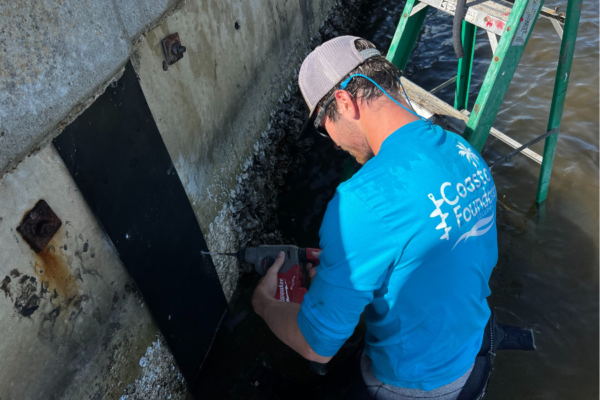
This method ensures long-term protection and maintains the integrity of the seawall even under harsh conditions by reinforcing seams.
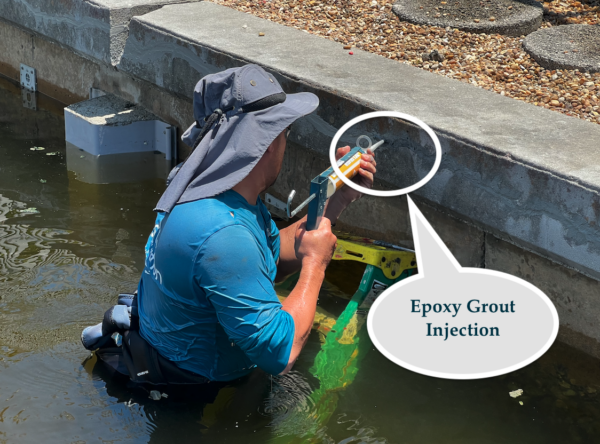
Polyurethane foam injection is a modern, eco-friendly repair method that stands out for its quick application and minimal property disruption. This technique involves injecting polyurethane foam into voids and cavities behind the seawall. The foam expands, filling gaps and stabilizing the surrounding soil while providing a watertight seal.
Polyurethane foam injection is particularly beneficial for homeowners seeking a swift, effective solution that strengthens the seawall while minimizing disturbance to landscaping.
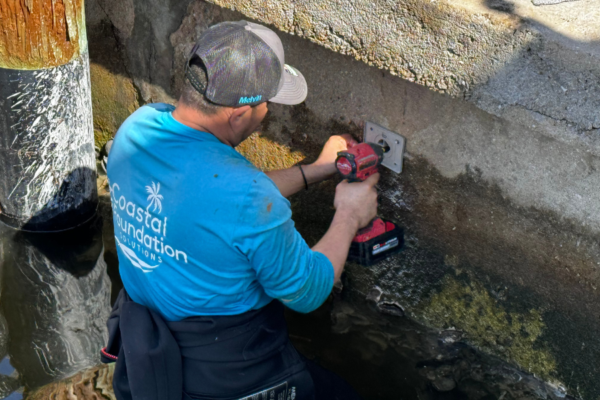
One overlooked yet crucial aspect of seawall maintenance is proper drainage. Seawall drain installation helps manage hydrostatic pressure behind the wall, which, if left unchecked, can lead to structural failure. Innovative systems like “Jet” filters are installed into concrete panels, ensuring that water pressure is relieved effectively. This technique reduces the likelihood of cracks and bulging, preserving the seawall’s condition.
Seawall repair techniques are essential for Florida’s coastal regions, including Bonita Springs, Marco Island, Naples, Sanibel Island, Cape Coral, and Venice. These areas face frequent exposure to tides, storm surges, and tropical weather conditions. Regular inspections combined with advanced repair solutions can extend the life of seawalls and protect properties from severe damage
The most effective repair method depends on the specific issue at hand. Polyurethane foam injection is highly effective for stabilizing soil and sealing cracks quickly, while seam repair is best for preventing soil loss at joints. Drain installations help manage water pressure and prevent damage.
Polyurethane foam injection is a rapid repair method. Typically, the process can be completed within a few hours, and the area is often ready for use the same day.
Seam repair prevents soil erosion at the joints of concrete panels. This method strengthens the overall structure and protects against the formation of cavities and sinkholes.
Signs include visible cracks, soil loss behind the wall, water seeping through seams, and the presence of sinkholes or cavities near the seawall.
Drain installations relieve hydrostatic pressure behind the seawall, preventing water from accumulating and exerting stress that can lead to cracking or bulging.
Employing the right seawall repair techniques—such as polyurethane foam injection, seam reinforcement, and proper drain installation—ensures the protection and longevity of seawalls in high-risk coastal areas. These methods help maintain the structural integrity and functionality of seawalls, protecting properties in Bonita Springs, Marco Island, Naples, Sanibel Island, Cape Coral, and Venice.
Questions about your seawall repair options? Contact our office today for a FREE estimate. We welcome the opportunity to review your seawall needs and earn your business!